Give as a gift
This film screening series examines forced disappearance as a political strategy and an enduring lived reality across the SWANA region. Through documentary and essay films, it centers testimony, memory, and visual absence as counterpoints to state violence and historical erasure. Anchored by My Father and Qaddafi (Jihan El-Tahri, Algeria), the series traces disappearance through intimate family histories shaped by authoritarian power. Erased, Ascent of the Invisible (Ghassan Halwani, Lebanon) extends this inquiry through an exploration of urban erasure and visual absence, emphasizing disappearance as an unresolved and ongoing condition. Additional works, including Letter to my Sister (Habiba Djahnine, Algeria) Screen Recording 2020-11-20 at 1.59.44 PM , (Argyro Nicolaou, Cyprus), Prisoner and Jailer, (Muhannad Lamin, Libya), and All Is Well On the Border Front (Akram Zaatari, Lebanon) expand the exploration of memory, absence, and unfinished histories across the region.
OBLIVION is curated by Laila Sharif and is co-presented by ArteEast and BAM. This program is part of the legacy program Unpacking the ArteArchive, which preserves and presents over 20 years of film and video programming by ArteEast.
This program is supported, in part, by public funds from the New York City Department of Cultural Affairs in partnership with the City Council.
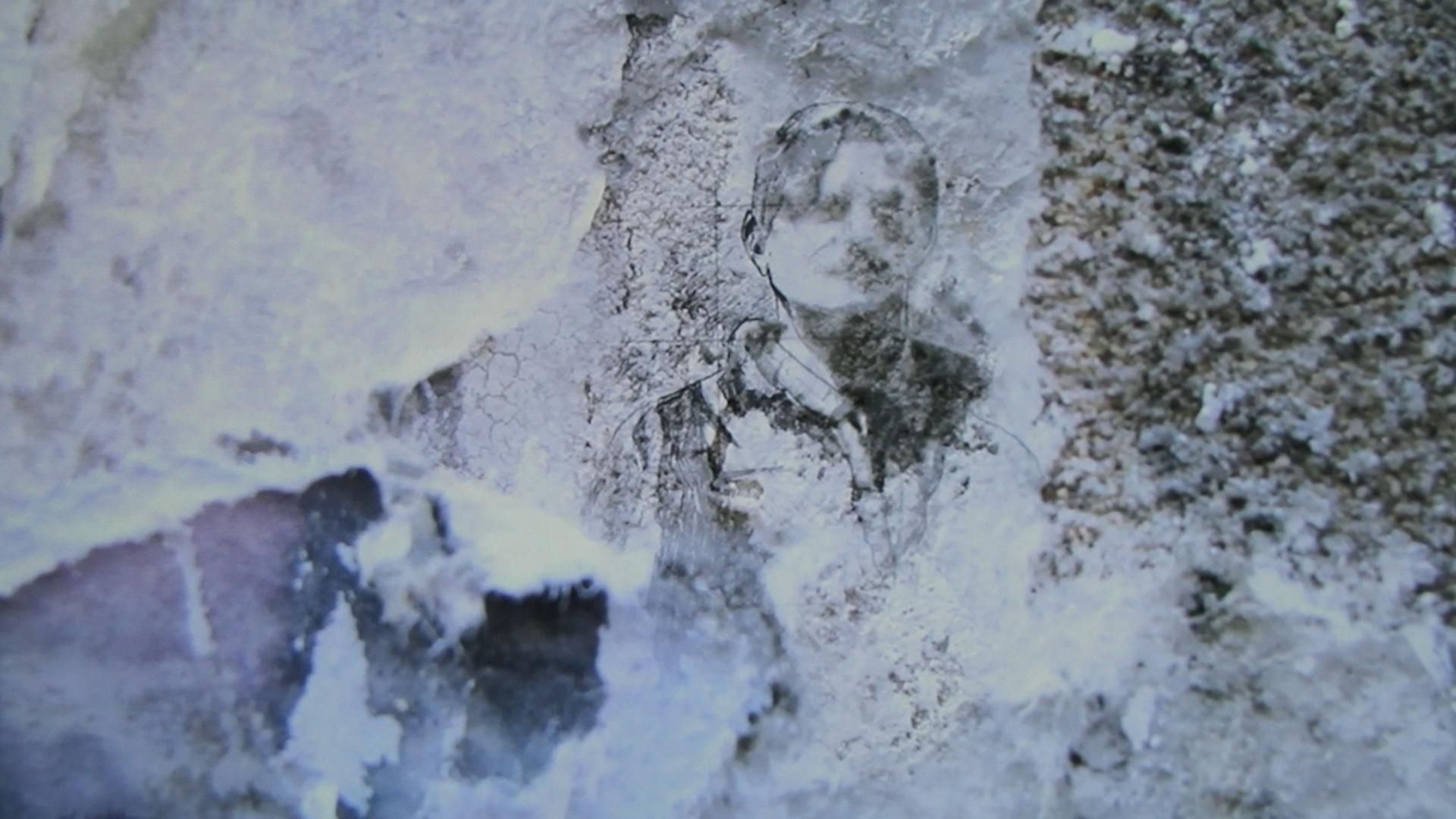
Erased,__Ascent of the Invisible (2018)
It begins with a disappearance 35 years in the past. In fact, it begins even before that, during a civil war that has ended but whose impact — and absences — continue to be felt. Erased,____ Ascent of the Invisible embraces this layered sense of history's continual unspooling into the present.
It is an evocative examination of the thousands of people who were disappeared during Lebanon's 15-year conflict. Diving into this politically loaded and personally resonant topic, the filmmaker scrapes away — at times, quite literally — layers of Lebanese history and rethinks the topography of modern-day Beirut.
Though the disappeared were erased — their bodies remaining unfound and unrecovered decades later — their presence lingers. As Halwani explores, the dead remain in the memory of loved ones, beneath the sidewalks of gentrified neighborhoods, in the very fabric of society.
The result is a rumination on how violent acts — crimes against humanity — play into notions of martyrdom, shape national narratives, and pose questions about the very right, in being killed, to die.
About the filmmaker
Ghassan Halwani lives and works in Beirut. After a short film Jibraltar (2005), and due to the 2006 Israeli atrocious war on Lebanon he gave up the artist career and retired to do an illustration/animation artisan job to sustain his economies.
He got involved in collaborations with Lebanese and Arab filmmakers, playwrights, contemporary artists, publishers, musicians, and sustained his political engagements. Among his collaborations: a long contribution with playwright and artist Rabih Mroué, Takhabot a music video with Musician Tamer Abu Ghazaleh, a short animation for the feature documentary Lebanese Rocket Society by Joanna Hadgithomas and Khalil Joreige, Lucena: Obedience Training with Zoukak Theatre company, a short animation for the feature film 1982 by Oualid Mouaness. In 2012, he judged inevitable not to work on a renewed political discourse on the matter of the disappeared and mass-graves in Lebanon that was completed in 2018 with the film Erased, Ascent of the Invisible. Additionally, he is contributing to the creation of a national archive dedicated to the enforced disappearances in Lebanon.
- Year2018
- Runtime76 minutes
- LanguageArabic
- CountryLebanon
- PremiereLocarno
- RatingPG-13
- DirectorGhassan Halwani
- ScreenwriterGhassan Halwani
- ProducerGhassan Halwani
- CinematographerHassan Halwani, Inka Dewitz, Carine Doumit, Joan Chaker
- EditorVartan Avakian
- AnimatorGhassan Halwani
- Sound DesignToni Gitani, Rami Sabbagh
This film screening series examines forced disappearance as a political strategy and an enduring lived reality across the SWANA region. Through documentary and essay films, it centers testimony, memory, and visual absence as counterpoints to state violence and historical erasure. Anchored by My Father and Qaddafi (Jihan El-Tahri, Algeria), the series traces disappearance through intimate family histories shaped by authoritarian power. Erased, Ascent of the Invisible (Ghassan Halwani, Lebanon) extends this inquiry through an exploration of urban erasure and visual absence, emphasizing disappearance as an unresolved and ongoing condition. Additional works, including Letter to my Sister (Habiba Djahnine, Algeria) Screen Recording 2020-11-20 at 1.59.44 PM , (Argyro Nicolaou, Cyprus), Prisoner and Jailer, (Muhannad Lamin, Libya), and All Is Well On the Border Front (Akram Zaatari, Lebanon) expand the exploration of memory, absence, and unfinished histories across the region.
OBLIVION is curated by Laila Sharif and is co-presented by ArteEast and BAM. This program is part of the legacy program Unpacking the ArteArchive, which preserves and presents over 20 years of film and video programming by ArteEast.
This program is supported, in part, by public funds from the New York City Department of Cultural Affairs in partnership with the City Council.
Erased,__Ascent of the Invisible (2018)
It begins with a disappearance 35 years in the past. In fact, it begins even before that, during a civil war that has ended but whose impact — and absences — continue to be felt. Erased,____ Ascent of the Invisible embraces this layered sense of history's continual unspooling into the present.
It is an evocative examination of the thousands of people who were disappeared during Lebanon's 15-year conflict. Diving into this politically loaded and personally resonant topic, the filmmaker scrapes away — at times, quite literally — layers of Lebanese history and rethinks the topography of modern-day Beirut.
Though the disappeared were erased — their bodies remaining unfound and unrecovered decades later — their presence lingers. As Halwani explores, the dead remain in the memory of loved ones, beneath the sidewalks of gentrified neighborhoods, in the very fabric of society.
The result is a rumination on how violent acts — crimes against humanity — play into notions of martyrdom, shape national narratives, and pose questions about the very right, in being killed, to die.
About the filmmaker
Ghassan Halwani lives and works in Beirut. After a short film Jibraltar (2005), and due to the 2006 Israeli atrocious war on Lebanon he gave up the artist career and retired to do an illustration/animation artisan job to sustain his economies.
He got involved in collaborations with Lebanese and Arab filmmakers, playwrights, contemporary artists, publishers, musicians, and sustained his political engagements. Among his collaborations: a long contribution with playwright and artist Rabih Mroué, Takhabot a music video with Musician Tamer Abu Ghazaleh, a short animation for the feature documentary Lebanese Rocket Society by Joanna Hadgithomas and Khalil Joreige, Lucena: Obedience Training with Zoukak Theatre company, a short animation for the feature film 1982 by Oualid Mouaness. In 2012, he judged inevitable not to work on a renewed political discourse on the matter of the disappeared and mass-graves in Lebanon that was completed in 2018 with the film Erased, Ascent of the Invisible. Additionally, he is contributing to the creation of a national archive dedicated to the enforced disappearances in Lebanon.
- Year2018
- Runtime76 minutes
- LanguageArabic
- CountryLebanon
- PremiereLocarno
- RatingPG-13
- DirectorGhassan Halwani
- ScreenwriterGhassan Halwani
- ProducerGhassan Halwani
- CinematographerHassan Halwani, Inka Dewitz, Carine Doumit, Joan Chaker
- EditorVartan Avakian
- AnimatorGhassan Halwani
- Sound DesignToni Gitani, Rami Sabbagh